
DATA COLLECTION
Course Description
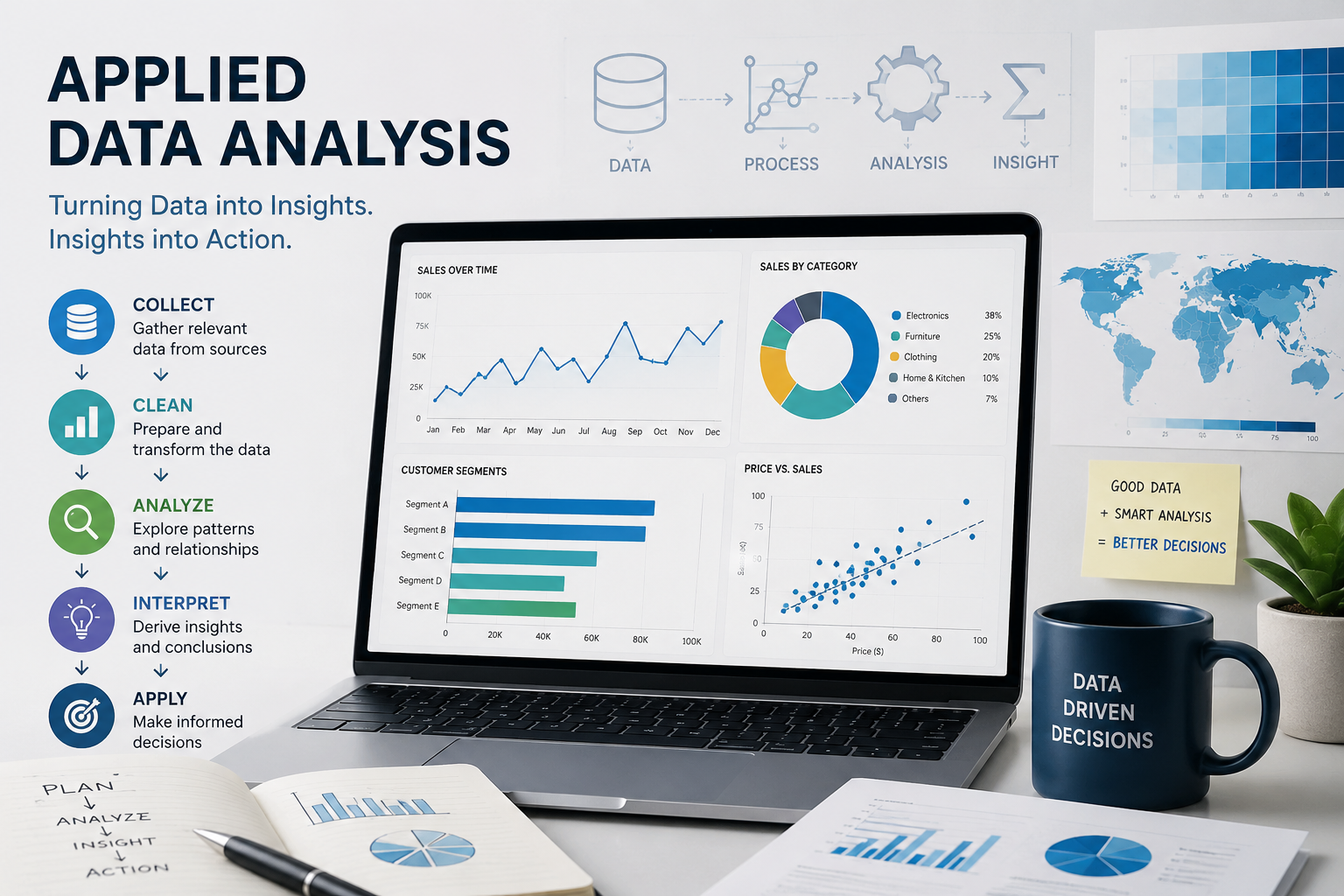
The Data Collection course is designed to provide learner with a strong theoretical foundation and practical competencies in gathering accurate, relevant, and ethical data for various purposes. In today’s data-driven world, effective data collection is essential for informed decision-making in fields such as education, business, healthcare, social sciences, community development, and public policy. Throughout the course, learner is introduced to the nature of data, including different data types, sources, and formats. Emphasis is placed on understanding how data is generated, recorded, and used to answer questions, solve problems, and evaluate programs or processes. Learner explore both qualitative and quantitative data collection methods, gaining insight into when and how each approach is most appropriate. The course also focuses on the design and use of data collection tools such as questionnaires, interview guides, observation checklists, and digital data collection platforms. Learner gain hands-on experience in developing simple but effective instruments, testing them for clarity and accuracy, and applying them in real or simulated settings. A key component of the course is ethics and quality assurance in data collection. Learner is guided on ethical principles such as informed consent, confidentiality, privacy, and responsible data handling. The course highlights common errors and biases in data collection and equips learners with strategies to improve data reliability, validity, and accuracy. By the end of the course, learner should have developed practical skills to plan and conduct data collection activities responsibly, analyze data collection challenges, and apply best practices in real-world contexts. This course prepares learner for further studies in research and data analysis and supports workplace roles that require accurate data gathering and reporting.
Core Topics
1: Introduction to Data Collection
2: Data Collection Methods
3: Data Collection Tools and Instruments
4: Ethics and Quality in Data Collection
Overall Course Learning Outcome
By the end of the course, learner should be able to:
- Explain key concepts related to data and data collection
- Select appropriate data collection methods for different purposes
- Design and use effective data collection tools
- Apply ethical standards and quality control measures in data collection
Interactive Learning Activities
Case study discussion on ethical dilemmas
Group discussion: Bias and how to avoid it
Scenario-based learning activities
Learner self-reflection on ethical responsibility
Brainstorming session: Examples of data used in daily life
Short online or paper-based quiz
Learner reflection journal